Read more about the article 62 • Analysis Paralysis
Analysis Paralysis

62 • Analysis Paralysis

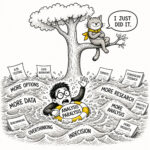
Analysis Paralysis is what happens when the pursuit of the best decision prevents any decision at all. Faced with too many options, too much information, or too many possible outcomes, thinking begins to replace action. What starts as careful consideration slowly turns into hesitation, as each new piece of data introduces additional complexity rather than clarity. The intent is to make a better choice - but the result is often no choice at all. In UX and product design, the dynamic is the same. More options, more data, and more possibilities promise better decisions - but without focus, they often lead to hesitation instead.

Continue Reading62 • Analysis Paralysis
Read more about the article 61 • Cutting Corners
Cutting Corners

61 • Cutting Corners

Cutting Corners means skipping important work to save money today, only to spend considerably more time fixing the consequences tomorrow. In UX, research or testing phases are abbreviated, omitted or postponed. Under pressure, these shortcuts feel rational because the product ships faster. But this practice usually backfires because the problems simply arrive later. You end up building a product that users don't want, leading to higher cost, extra fixes, and lost revenue.

Continue Reading61 • Cutting Corners
Read more about the article 57 • Winging It
Winging It

57 • Winging It

Winging It refers to improvising or operating without a formalized, structured plan, often creating design solutions or research approaches "on the fly". As a strategy, it is generally considered unprofessional and risky in a professional UX context, as you should always follow a defined, strategic process. As a situation, winging it is almost inevitable. UX consultants cannot control all aspects of their work and winging it is therefore a key skill in their toolbox of techniques to turn awkward situations into research gold.

Continue Reading57 • Winging It