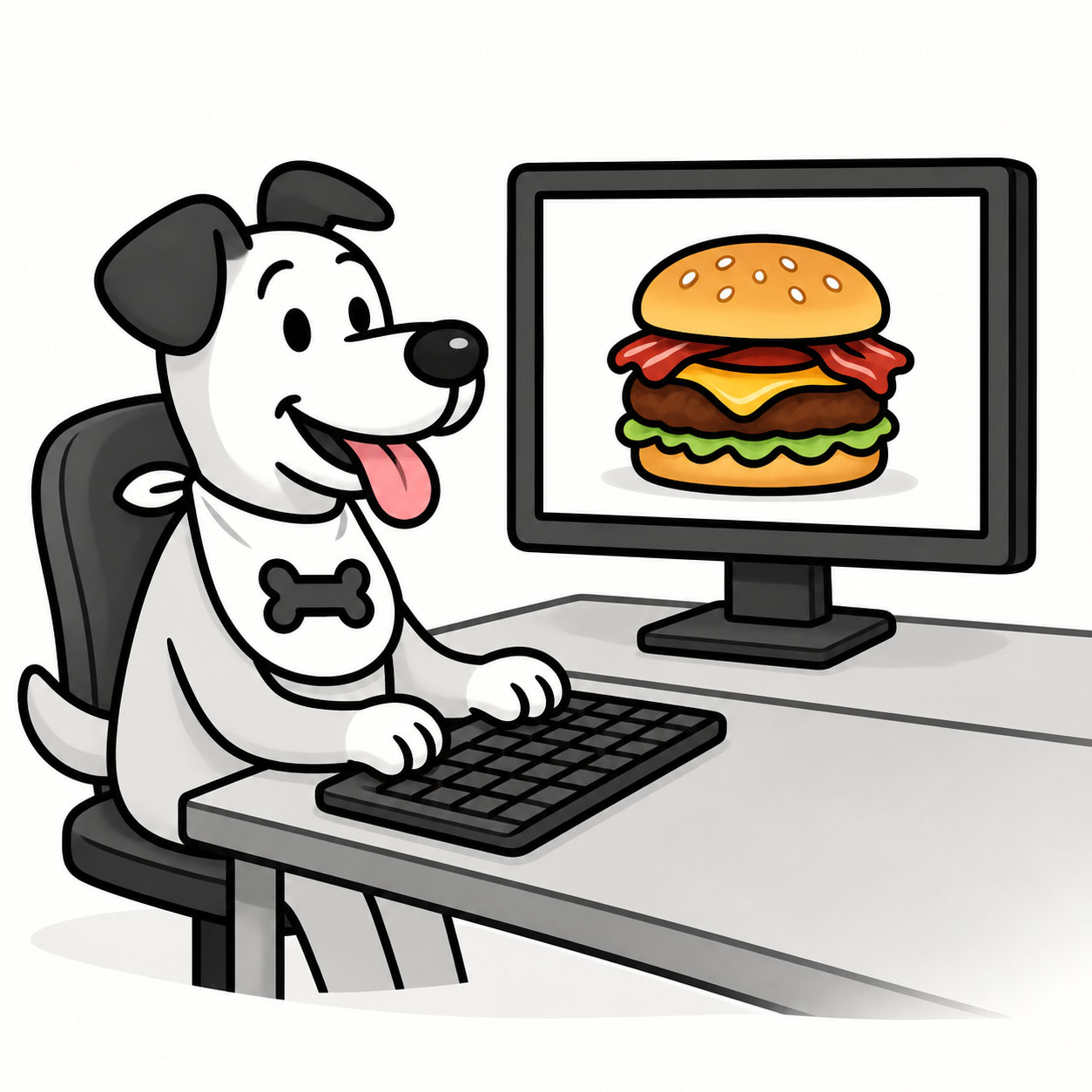
Dogfooding is the practice of a company using its own product in real-world conditions, just like its customers would. It’s a way for teams to experience the product firsthand, uncover issues early, and demonstrate confidence in what they’re building.
ORIGIN
The phrase comes from the saying “eat your own dog food,” which likely originated in the pet food industry to suggest a company should stand behind its product enough to consume it themselves. It became popular in tech circles in the 1980s and ’90s, as companies like Microsoft and Hewlett-Packard encouraged employees to use pre-release versions of their own software.
In UX, dogfooding helps designers and product teams build empathy with users and catch usability problems before launch.
WHEN
You’ll find dogfooding useful when:
- Testing new features internally before a beta or public launch.
- Gaining firsthand experience of workflows you’ve designed.
- Identifying pain points that don’t show up in specs or prototypes.
- Building a culture of accountability and pride in the product.
It’s particularly valuable when timelines are tight and formal user research isn’t feasible.
WHY
Dogfooding works because real use is different from theorizing. By living with the product, you’re more likely to notice awkward flows, hidden errors, or annoying quirks, because you’re experiencing them yourself. It also signals confidence to users and stakeholders that you believe in the product enough to rely on it yourself.
HOW
Here’s how to get the most out of dogfooding:
- Use it authentically. Don’t just click through, use the product as it’s meant to be used, in real contexts.
- Track feedback. Set up a clear way for internal testers to report issues and suggestions.
- Rotate roles. Encourage team members from all disciplines to participate, not just designers.
- Simulate real conditions. Try it on different devices, networks, and environments like your users would.
- Balance with research. Remember: your team is not your user. Dogfooding complements but doesn’t replace actual user testing.
PRO TIP
When dogfooding, deliberately pick edge cases: try poor connectivity, odd workflows, or outdated browsers, just like real users might.
EXAMPLES
- A UX team switches to using their company’s collaboration app exclusively for all internal communication.
- A PM uploads and processes hundreds of images in the photo editor they’re building to spot workflow bottlenecks.
- An e-commerce company mandates employees to place real orders through their own website to catch checkout bugs.
CONCLUSION
Dogfooding reminds us that great UX starts with understanding, and nothing builds understanding faster than walking in your users’ shoes.
Also known as: Eating your own dog food • Drinking your own champagne • Internal beta testing • Living the product