Read more about the article 52 • Brainstorming
Brainstorming

52 • Brainstorming

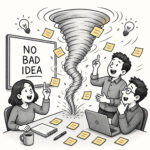
Brainstorming is a collaborative, creative process designed to generate a wide range of ideas, enhance team collaboration, and solve complex problems. It typically involves a group of people that interact to suggest spontaneous ideas in response to a prompt. In UX, brainstorming is used for mostly visual techniques such as Crazy 8s or Storyboarding.

Continue Reading52 • Brainstorming
Read more about the article 49 • Thinking Outside The Box
Thinking outside the box

49 • Thinking Outside The Box

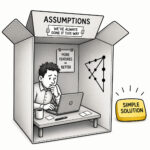
The idiom thinking outside the box describes the ability to think differently, unconventionally, or from a new perspective. The phrase also refers to the need to think beyond the stated or assumed requirements. It requires creative thinking that lead to the creation of novel solutions. In design, creative thinking is often constrained by unvalidated assumptions that "box" us into what we believe is the solution space. The box isn’t real, yet it is treated as such and therefore triggers suboptimal choices and results.

Continue Reading49 • Thinking Outside The Box
Read more about the article 44 • Red Herring
Red Herring

44 • Red Herring

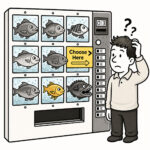
A Red Herring is a misleading or distracting element that pulls attention away from what actually matters. In UX, it can be accidental such as a design element that looks like it does the thing but doesn’t, something that distracts users from their primary goal or leads them toward the wrong conclusion. But it can also be intentional, such as a deliberate distraction used to test attention or a research question to validate that users don't rush through the study.

Continue Reading44 • Red Herring
Read more about the article 37 • Cobra Effect
Cobra Effect

37 • Cobra Effect

The Cobra Effect describes situations where the metric improves but the experience does not. Nascent product teams often craft incentives with the noblest of intentions: faster growth, happier users, quarterly bonuses; yet sometimes the universe responds not with improvement but with a sharp increase in the very problem they hoped to solve.

Continue Reading37 • Cobra Effect
Read more about the article 31 • Sunk Cost Fallacy
Sunk Cost Fallacy

31 • Sunk Cost Fallacy

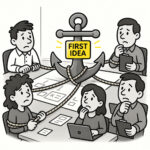
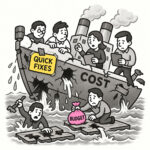
Sunk cost fallacy is the tendency to keep investing time, effort, or money into something, just because you’ve already invested so much, even when it’s clear it’s not working. In UX, this shows up when teams cling to flawed designs, failed features, or outdated systems simply because they don’t want to “waste” what’s already been spent.

Continue Reading31 • Sunk Cost Fallacy