Read more about the article 50 • Showstopper
Showstopper

50 • Showstopper

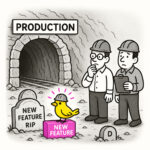
A Showstopper is a critical, unforeseen issue or flaw that halts everything. These high-priority defects, such as system crashes or broken core functionality, typically prevent the product from being released, tested, or operated until they are resolved. Showstoppers often result in significant delays and increased cost. In design, a showstopper is sometimes used to describe the opposite: a highly impressive "wow" feature.

Continue Reading50 • Showstopper
Read more about the article 42 • Murphy’s Law
Murphy's Law

42 • Murphy’s Law

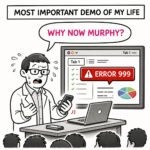
Murphy's law is an epigram that is typically stated as: "Anything that can go wrong will go wrong." In UX and product design, Murphy's Law captures the grim inevitability that if there's a way for something to fail - no matter how unlikely - it eventually will. A feature will break at the worst possible moment. A user will try the one interaction no one tested. A stakeholder's favorite edge case turns out to be a real-world requirement. Murphy's Law isn't pessimism - it's about preparation.

Continue Reading42 • Murphy’s Law
Read more about the article 27 • UX Theater
UX Theater

27 • UX Theater

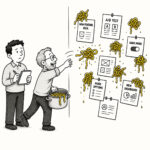
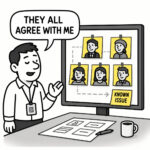
UX Theater is when a team goes through the motions of doing user experience work, but without improving the experience. It’s the performance of design thinking: sticky notes, empathy maps, and user personas that look great in a presentation, but have little to no impact on the final product. It’s like hosting a cooking show and never actually serving a meal.

Continue Reading27 • UX Theater
Read more about the article 24 • Sad Path
Sad Path

24 • Sad Path

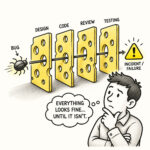
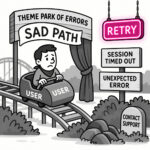
A sad path is the scenario where something goes wrong in a user’s journey, whether it’s an error, invalid input, unexpected behavior, or a dead end. In UX, designing for the sad path means accounting for mistakes, edge cases, and failures gracefully, so users can recover without frustration.

Continue Reading24 • Sad Path