Read more about the article 41 • Kitchen Sink
Kitchen Sink

41 • Kitchen Sink

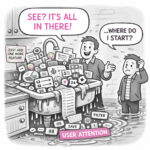
The Kitchen Sink is what happens when an app - or a map - tries to show everything and ends up explaining nothing. At first glance, it looks impressive. Packed. Comprehensive. Full of features, layers, and information. But spend more than a few seconds with it, and the experience quickly shifts from insight to overload. The eye jumps. The interface competes for attention. The meaning gets buried somewhere between panels, controls, and colors. The Kitchen Sink is not a failure of effort. It is a failure of prioritization.

Continue Reading41 • Kitchen Sink
Read more about the article 37 • Cobra Effect
Cobra Effect

37 • Cobra Effect

The Cobra Effect describes situations where the metric improves but the experience does not. Nascent product teams often craft incentives with the noblest of intentions: faster growth, happier users, quarterly bonuses; yet sometimes the universe responds not with improvement but with a sharp increase in the very problem they hoped to solve.

Continue Reading37 • Cobra Effect
Read more about the article 31 • Sunk Cost Fallacy
Sunk Cost Fallacy

31 • Sunk Cost Fallacy

Sunk cost fallacy is the tendency to keep investing time, effort, or money into something, just because you’ve already invested so much, even when it’s clear it’s not working. In UX, this shows up when teams cling to flawed designs, failed features, or outdated systems simply because they don’t want to “waste” what’s already been spent.

Continue Reading31 • Sunk Cost Fallacy